
Private collection of Edgar Degas 'Works on Paper' opens at The Citadelle Art Museum
Robert Flynn Johnson collection of Impressionist Edgar Degas opens July 1 at The Citadelle
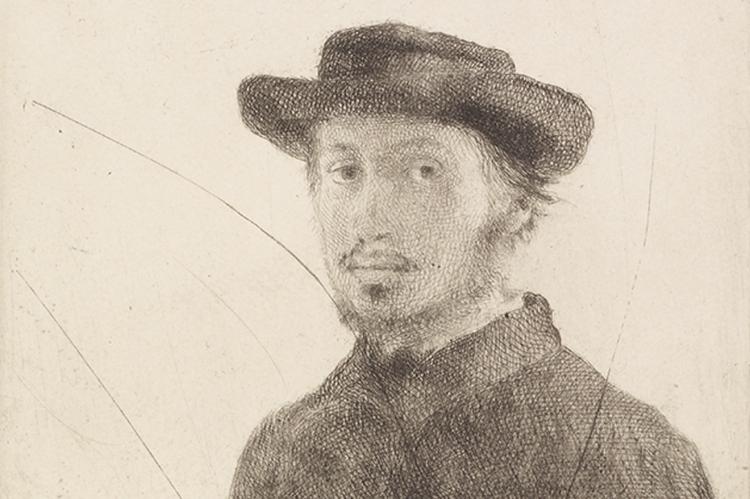
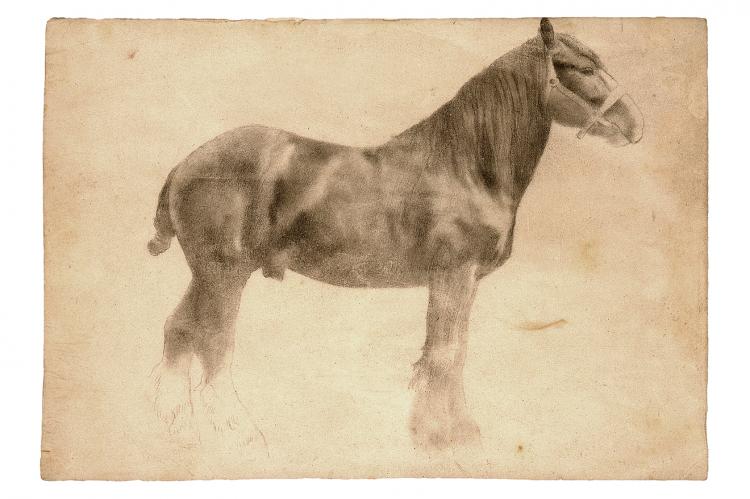
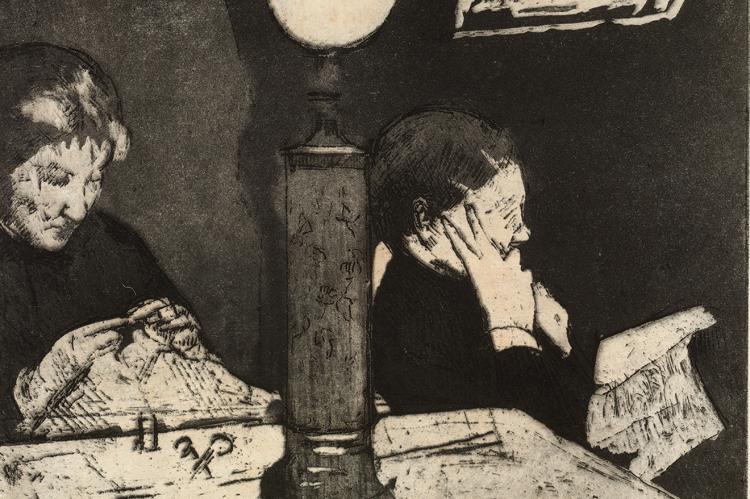
Edgar Degas—The Private Impressionist, Works on Paper by the Artist and His Circle will open on Thursday, July 1, in The Citadelle Art Museum Gallery. This impressive private collection of Robert Flynn Johnson, Curator Emeritus of the Achenbach Foundation for Graphic Arts Museum of San Francisco, is the culmination of a lifetime of art preservation.
“I never collected to be an exhibition,” Johnson said. “This is important to me as an art historian.”
This Impressionist exhibit began touring in 2015 and has traveled from coast to coast and abroad. It includes drawings, prints, monotypes, lithographs, etchings, and correspondence. Because it is a private collection, it is not as cumbersome, or as costly, as dealing with multiple owners or museums.
Johnson said he is proud “to go places others do not.”
As an assistant curator in the early 70’s, Johnson purchased art for the Baltimore Museum. He traveled extensively and was privy to catalogues of art available from around the world. His first Degas purchase was a monotype of trees—a piece that the museum passed on.
“It was the wrong medium, wrong subject matter, and too small to be of interest to museums and big collectors,” Johnson explained. But it intrigued him, and he could afford the $1,300 asking price—though he admits it take him six months to pay off. At that time, no one was interested in copies, so he was collecting against the market.
Johnson found Degas to be both a fascinating man, and a contrary one. In Souvenirs sur Degas, published in 1933, author Georges Jeanniot wrote, “Degas valued his reputation for spitefulness and rudeness; in his eyes it had the advantage of keeping bores at a distance and providing him with an aura that amused him.”
While others in his circle painted rural landscapes, this aloof artist painted people. The ultimate observer, Degas found his muse in ordinary people, painting laundresses, jockeys, office workers, prostitutes, and dancers—all rendered without a shadow of sentiment.
This collection reflects Degas’ interest in many mediums. The detailed notes accompanying each piece give us great insight into the artist’s personal life and his relationships with other Impressionist artists of the day.
“Through his art, his words, and the circle of his friends and colleagues represented in this exhibition,” Johnson said, “the private persona of this elusive artist may emerge.”
Degas was the only impressionist painter to come to America. Arriving in New York City in 1872, he traveled south to New Orleans, where his Creole French grandfather, an uncle, and other family lived. It was during this trip that he executed his famous painting, A Cotton Office in New Orleans. It was to be his only work that was purchased by a museum during his lifetime.
After his father’s death and is return to France, Degas discovered that his brother René had amassed huge business debts. In order to preserve the family name and pay their debts, Degas sold his house and an inherited art collection.
Dependent for the first time on the sales of his artwork for income, he produced some of his greatest works in the years that followed. It was during this time that he joined a group of artists who were organizing an independent society, soon to be known as the Impressionists. Degas played a leading role in organizing exhibits.
At Paris’ Louvre Museum, he studied and copied the great masters who interested him, extending his education as an artist. Joking, Johnson said, “He has studies of arms, studies of heads, studies of legs and feet —one of these days I will have a whole body.“
Every drawing shown in this exhibit was still in the artist’s studio when he died. Degas was not one to sell or give his work away easily, and the studies were just that—reference material for new works.
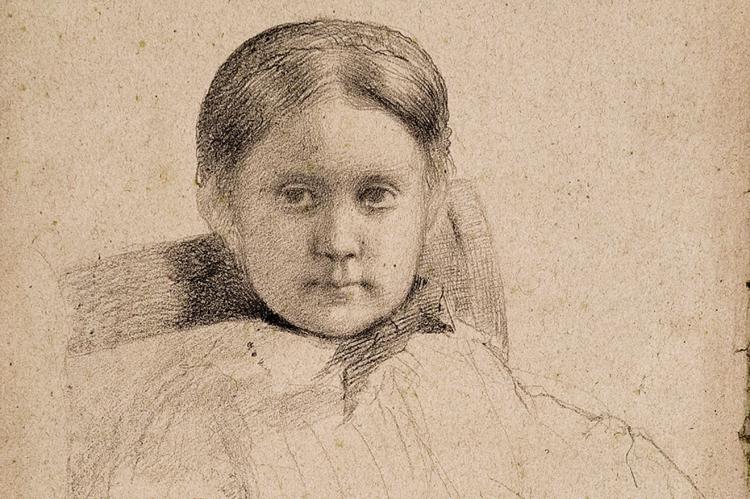
When he moved to the West Coast in 1975 to become curator of the San Francisco museum, Johnson owned only one Degas piece. The following year, he had the opportunity to buy the artist’s Mlle Demowska, black crayon drawing on plum paper of a young Italian girl, circa 1859. He paid $15,000 for the drawing, more than any other piece in his collection.
The exhibit at The Citadelle will be on display only four months, from July 1 to November 1.
When not on display in museums across the country, it is housed in crates in climate-controlled storage. Johnson does not take any of the collection into his private space—even the beloved little girl on purple paper.
Johnson explained that “he needs to keep his distance and enjoy them when they are hung elsewhere,” believing it would be harder to let them go if he did not. Eventually the art will be sold to benefit his children and grandchildren. He is hoping an institution will purchase the bulk of the collection to keep it together.
“An artist does not draw what he sees, but what he must make others see.” Edgar Degas
Caption for painting:
Edgar Degas (French, 1834-1917)
MLLE DEMBOWSKA
ca. 1858-59 black crayon drawing on plum colored paper
- Log in or Subscribe to post comments.